Human-Ocean Biodiversity Conflict Toolkit
Check Out My Work!
Human-Ocean Biodiversity Conflict Toolkit - Bycatch Reduction
Project Snapshot
Project: Global Bycatch Mitigation Strategy & Human-Wildlife Conflict Toolkit
Scope: Multi-phase research initiative analyzing global fisheries policies, case studies, technological mitigation strategies, and socio-economic drivers of bycatch in order to design a scalable conservation strategy.
Objective: Develop a research-driven toolkit capable of identifying the root causes of bycatch in Peru while proposing adaptable mitigation strategies informed by global fisheries research.
This semester-long project investigated the global bycatch crisis through policy analysis, case studies, and ecological research to identify strategies capable of reducing marine wildlife deaths in Peru’s fisheries. The research culminated in the development of a comprehensive conservation toolkit that integrates global mitigation strategies with locally informed economic and behavioral considerations.
Role
Project Director, Lead Researcher, and Strategy Developer.
Focus
Global fisheries research, comparative policy analysis, stakeholder dynamics, behavioral drivers of environmental decision-making, and strategic solution development.
Outcome
Produced a comprehensive conservation strategy toolkit supported by nearly 100 sources and case studies, providing a framework for reducing bycatch through policy innovation, technological solutions, and stakeholder collaboration.
Skills Gained & Demonstrated
- Research Strategy
- Data Analysis & Interpretation
- Global Market & Industry Analysis
- Policy & Stakeholder Analysis
- Strategic Problem Solving
- Comparative Case Study Research
- Behavioral Insight Development
- Strategic Communication
- Visual Data Presentation
- Complex Problem Framing
Human-Ocean Biodiversity Conflict Toolkit - Bycatch Case Study
Project Overview
Bycatch—the unintended capture of marine wildlife during fishing operations—represents one of the most significant global threats to marine biodiversity. In Peru, artisanal fisheries play a vital role in both the national economy and food security, yet these fisheries also contribute heavily to the global bycatch crisis.
This semester-long research initiative sought to understand the complex ecological, economic, and policy factors that drive bycatch in Peru. By analyzing international case studies, fisheries policies, and technological mitigation strategies, the project developed a comprehensive toolkit designed to support sustainable fisheries while protecting marine ecosystems.
My Role
I directed the entire project from initial research design through final strategic development. My responsibilities included:
• Designing the research framework
• Conducting global fisheries analysis
• Evaluating international policy strategies
• Synthesizing ecological and economic research
• Developing the final mitigation toolkit
• Presenting strategic recommendations
The project required integrating large volumes of interdisciplinary research while translating complex environmental problems into actionable strategic insights.
The Problem
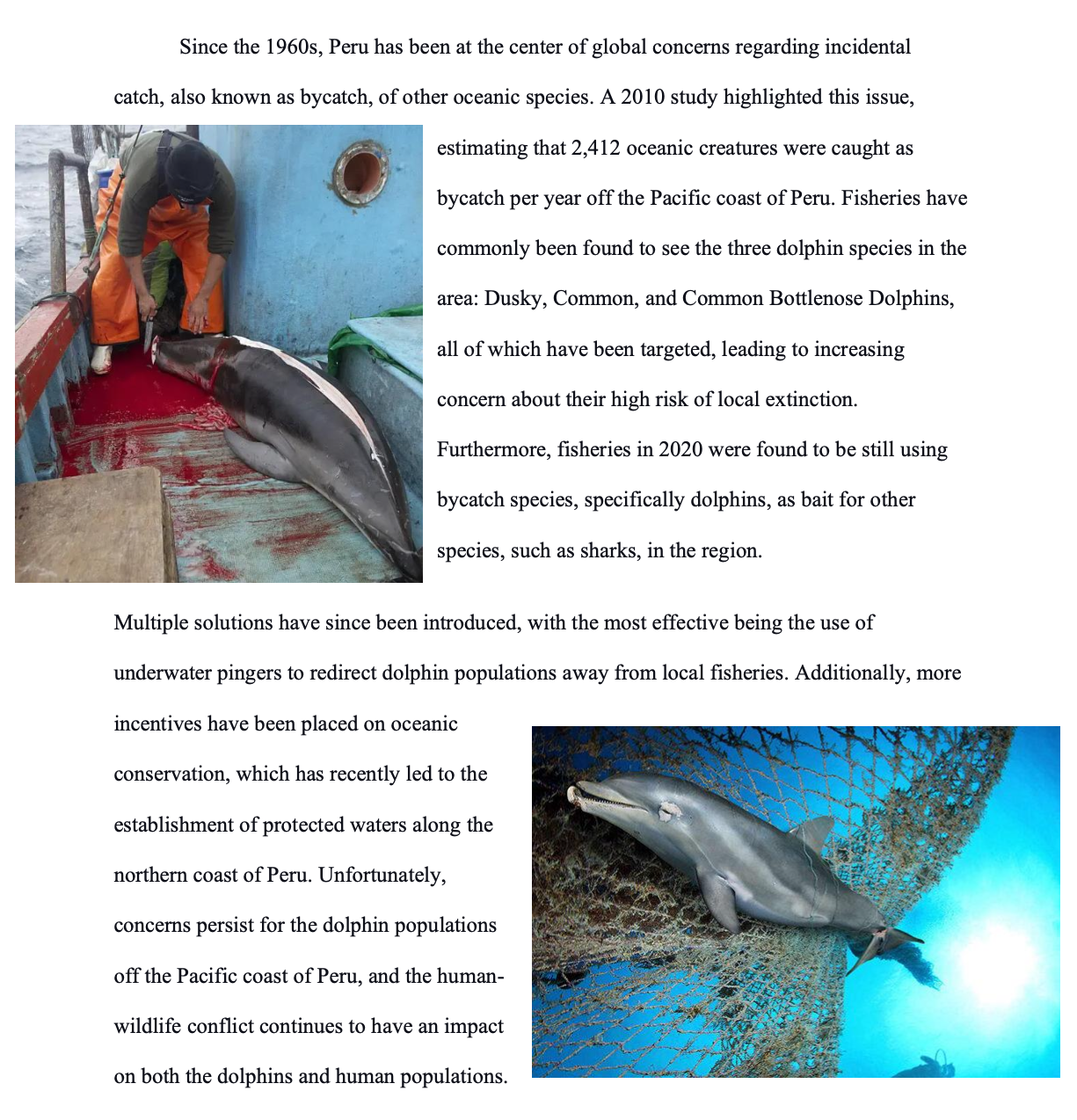
Peru is one of the world’s largest fishing exporters and relies heavily on artisanal fisheries for both domestic consumption and economic activity. However, these fisheries also generate extremely high levels of marine wildlife bycatch, including dolphins, sea turtles, and sharks.
Unlike heavily regulated industrial fisheries in developed nations, Peru’s fishing sector contains a large number of informal artisanal operations, making enforcement of conservation policies difficult. Economic pressures, limited regulatory oversight, and technological constraints contribute to persistent bycatch issues within the region.
Research & Insights
The project analyzed fisheries mitigation strategies across several regions including:
• Alaska
• Baltic Sea
• California
• Gulf of Mexico
Each region provided insight into different approaches to managing bycatch.
Technology-Based Mitigation
LED-equipped fishing nets demonstrated a 70% reduction in cetacean bycatch and a 74% reduction in sea turtle bycatch during experimental trials.
Policy-Based Mitigation
Regions such as California implemented strong enforcement policies and gear regulations to reduce bycatch.
Innovation-Based Mitigation
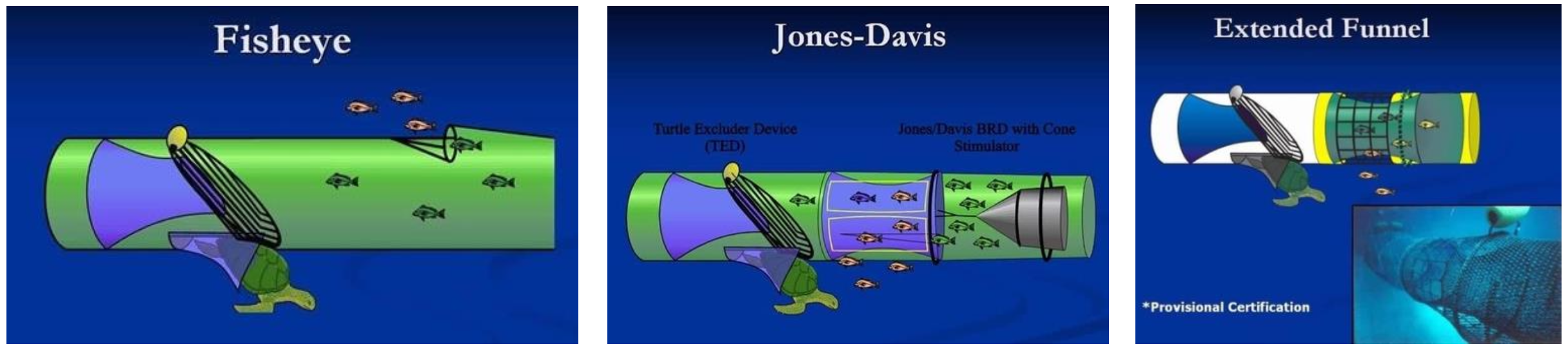
In the Gulf of Mexico, bycatch reduction devices (BRDs) were developed and tested to minimize unintended catch during shrimp trawling.
These findings demonstrated that successful mitigation strategies typically involve a combination of:
• technology
• regulation
• behavioral incentives
• stakeholder collaboration
Strategy
The research strategy focused on identifying adaptable mitigation models capable of working within Peru’s economic and regulatory constraints.
Three strategic pillars guided the toolkit development:
Comparative Research
Studying global fisheries management strategies to identify successful mitigation techniques.
Socioeconomic Analysis
Understanding the economic pressures faced by artisanal fishers and how those pressures influence fishing practices.
Adaptable Solutions
Developing mitigation approaches that could realistically be implemented within Peru’s fisheries system.
Execution
The project was conducted across several stages:
Phase 1 – Global Research
Examined international fisheries case studies and bycatch mitigation strategies.
Phase 2 – Policy Analysis
Analyzed fisheries governance models and enforcement frameworks.
Phase 3 – Case Study Comparison
Compared ecological and economic conditions across multiple regions.
Phase 4 – Strategy Development
Synthesized research insights into a structured toolkit for conservation organizations and fisheries managers.
Results & Metrics
Key findings from the research included:
• LED fishing nets reducing cetacean bycatch by 70%
• Sea turtle bycatch reduced by 74% in experimental studies
• Global case studies demonstrating successful mitigation through policy enforcement and technology innovation
These findings highlight the importance of combining technological innovation with governance strategies.
Key Takeaways
The project demonstrated that environmental conflicts such as bycatch are not purely ecological problems but complex systems involving economics, policy, and human behavior. Effective mitigation requires solutions that balance conservation goals with the livelihoods of fishing communities.
By integrating global research with locally informed strategies, the toolkit provides a foundation for more sustainable fisheries management.
Human-Ocean Biodiversity Conflict Toolkit - Documents Broken Down
Human-Wildlife Conflict Toolkit
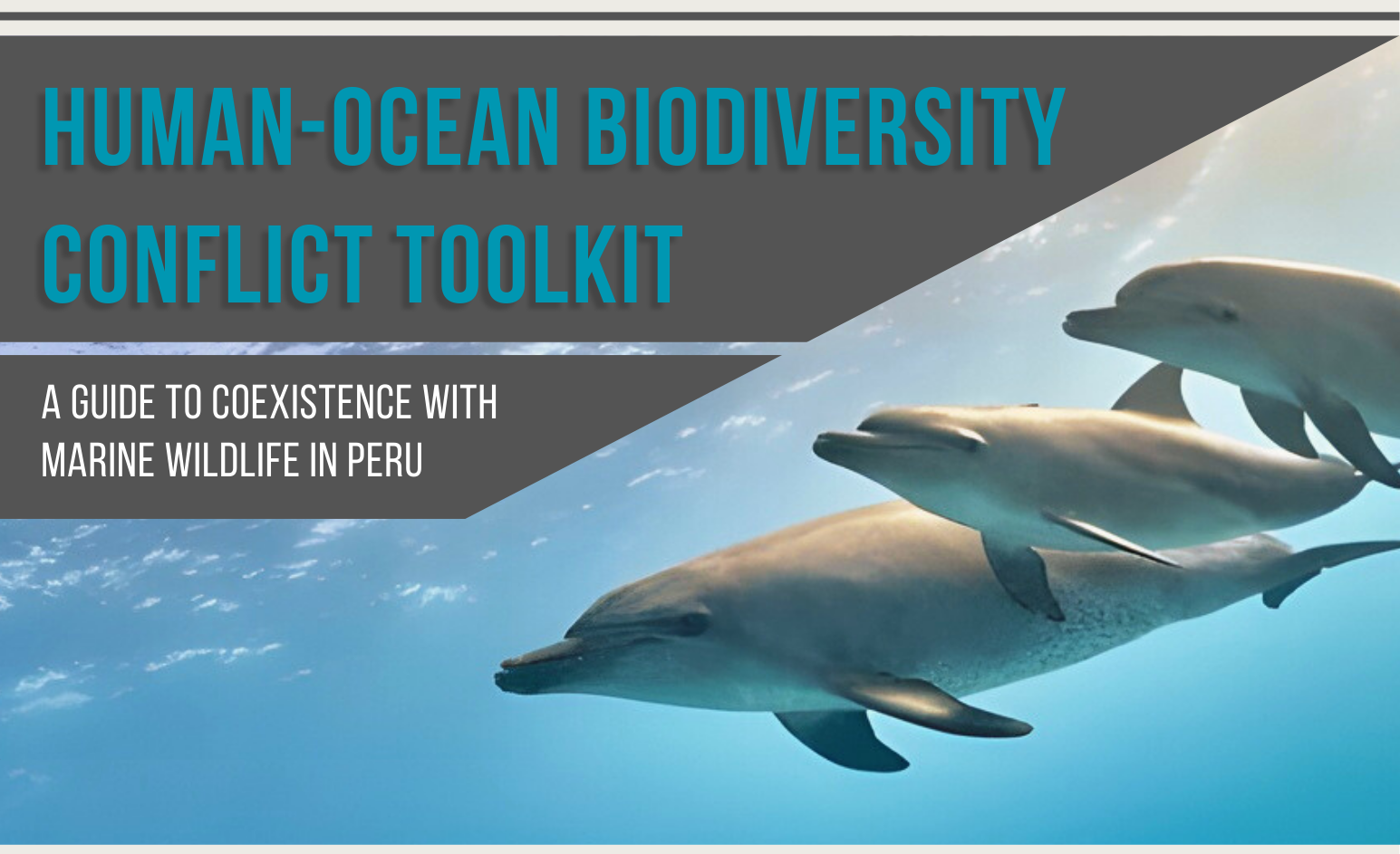
The Human-Wildlife Conflict Toolkit serves as the culmination of the semester-long research initiative, synthesizing nearly one hundred academic sources, policy analyses, and global case studies to develop a comprehensive strategy for mitigating marine wildlife bycatch in Peru. The toolkit integrates ecological science, stakeholder mapping, policy analysis, and behavioral insights to identify actionable strategies that address the root drivers of the conflict between fisheries and marine wildlife. By combining research synthesis with strategic communication frameworks, the toolkit provides conservation practitioners, policymakers, and fisheries managers with a structured resource for designing effective bycatch mitigation initiatives.
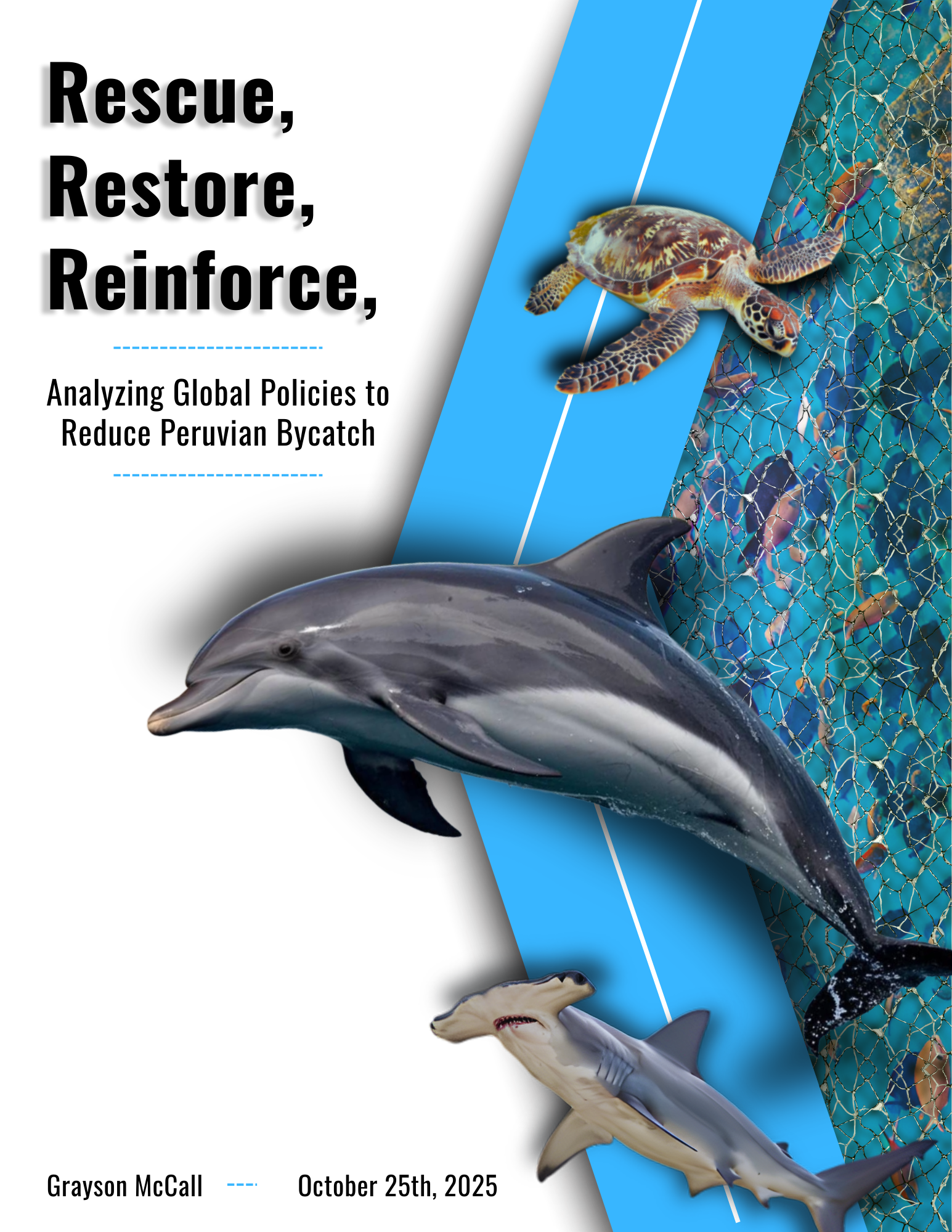
Global Bycatch Policies
The Global Bycatch Policies analysis evaluates regulatory frameworks implemented across international fisheries to reduce unintended wildlife capture while maintaining economic viability for fishing communities. The research examines enforcement systems, policy incentives, monitoring technologies, and governance structures that influence compliance within fisheries management. By comparing policy approaches from different regions, the report identifies the institutional and economic factors that determine whether conservation regulations are successfully implemented. This policy-focused evaluation contributes to a broader strategic understanding of how regulatory design, enforcement capacity, and stakeholder engagement influence environmental outcomes in global fisheries management.
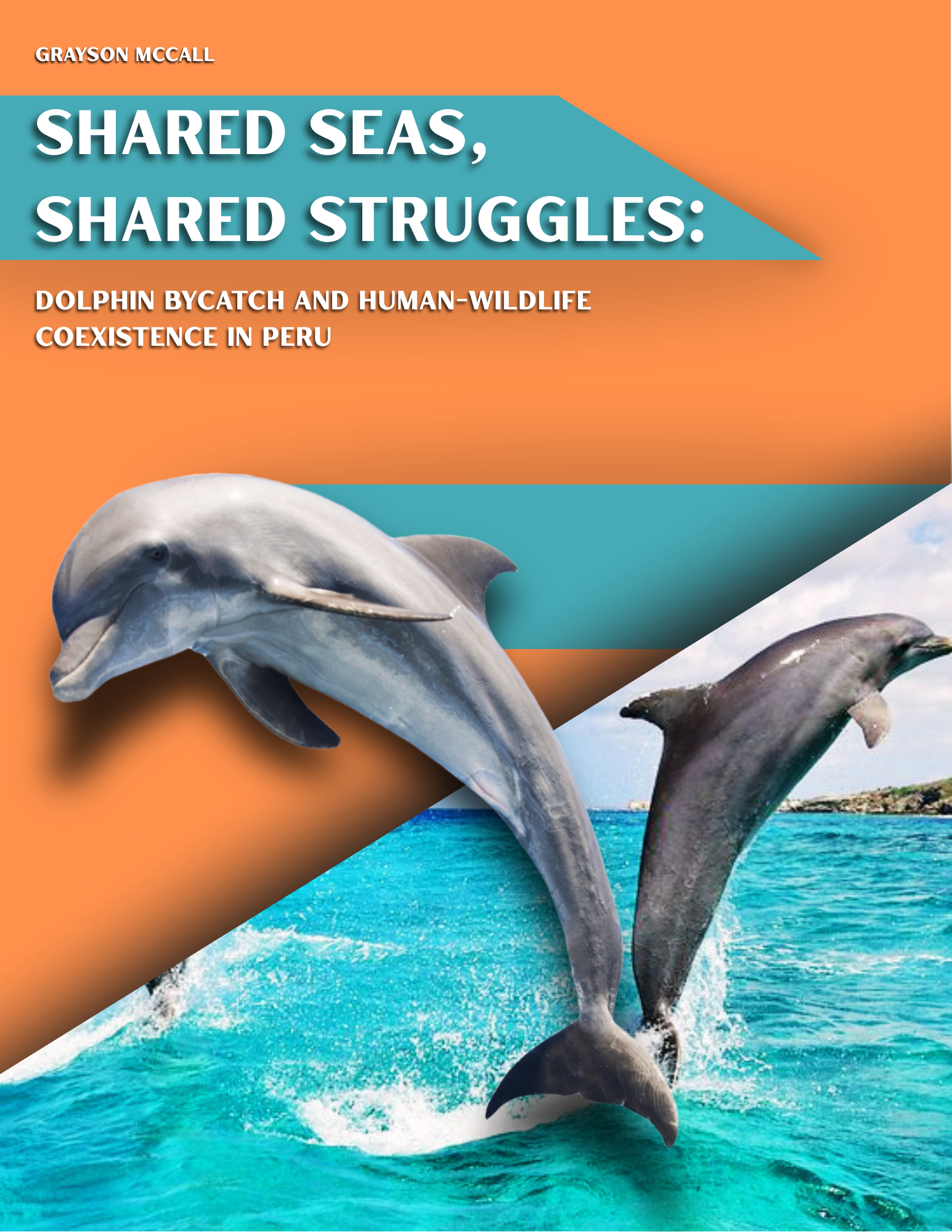
Creative Bycatch Proposal Pitch
The Creative Bycatch Proposal Pitch presents an innovative strategic concept aimed at reducing marine wildlife bycatch in Peru’s artisanal fisheries while maintaining economic sustainability for local fishing communities. The presentation synthesizes ecological research, stakeholder analysis, and global case studies to develop a practical mitigation framework that balances conservation goals with economic realities. By framing the bycatch crisis as a multi-dimensional problem involving environmental, social, and economic factors, the proposal introduces creative policy and technology solutions designed to incentivize cooperation among fishermen, policymakers, and conservation organizations.
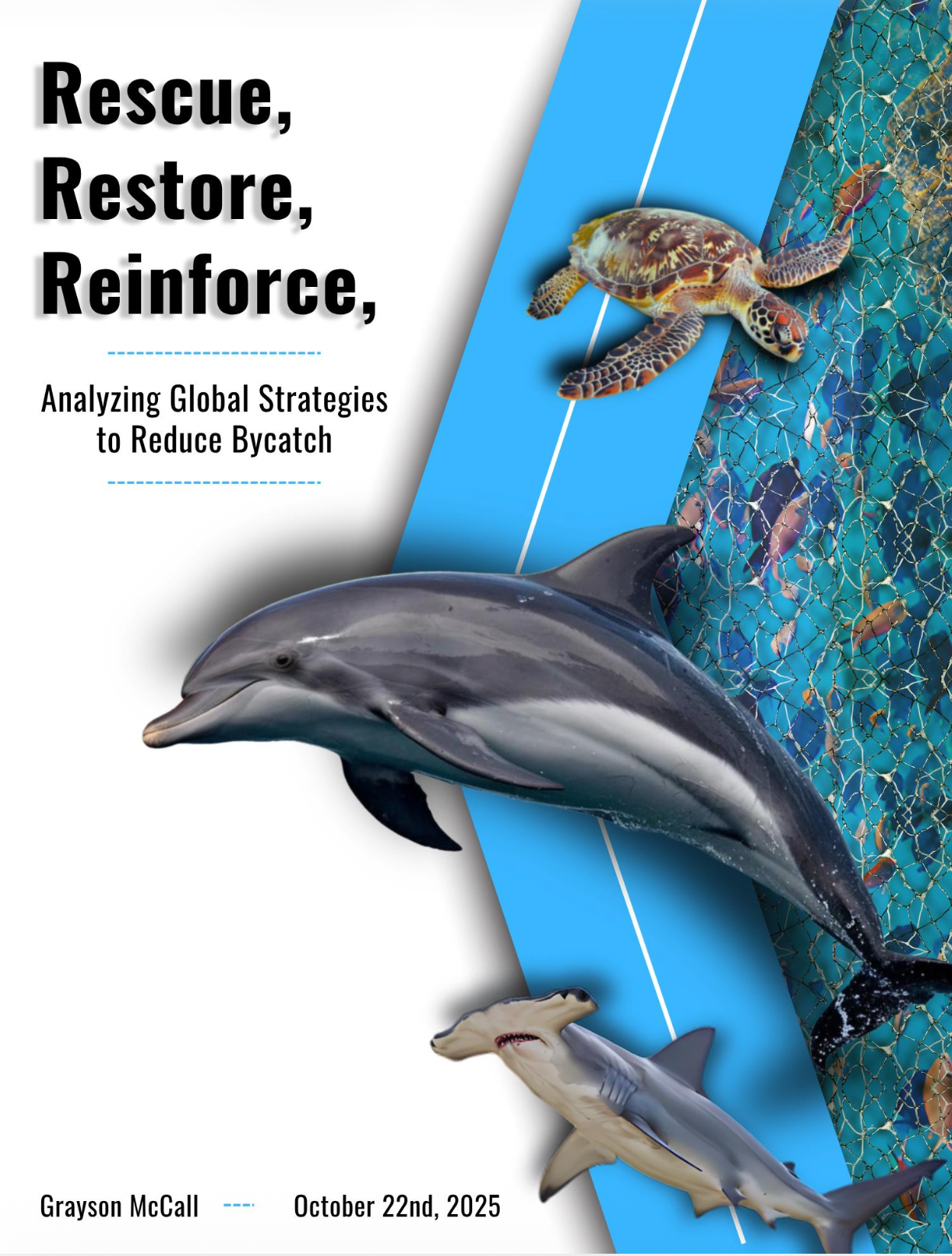
Global Bycatch Case Studies
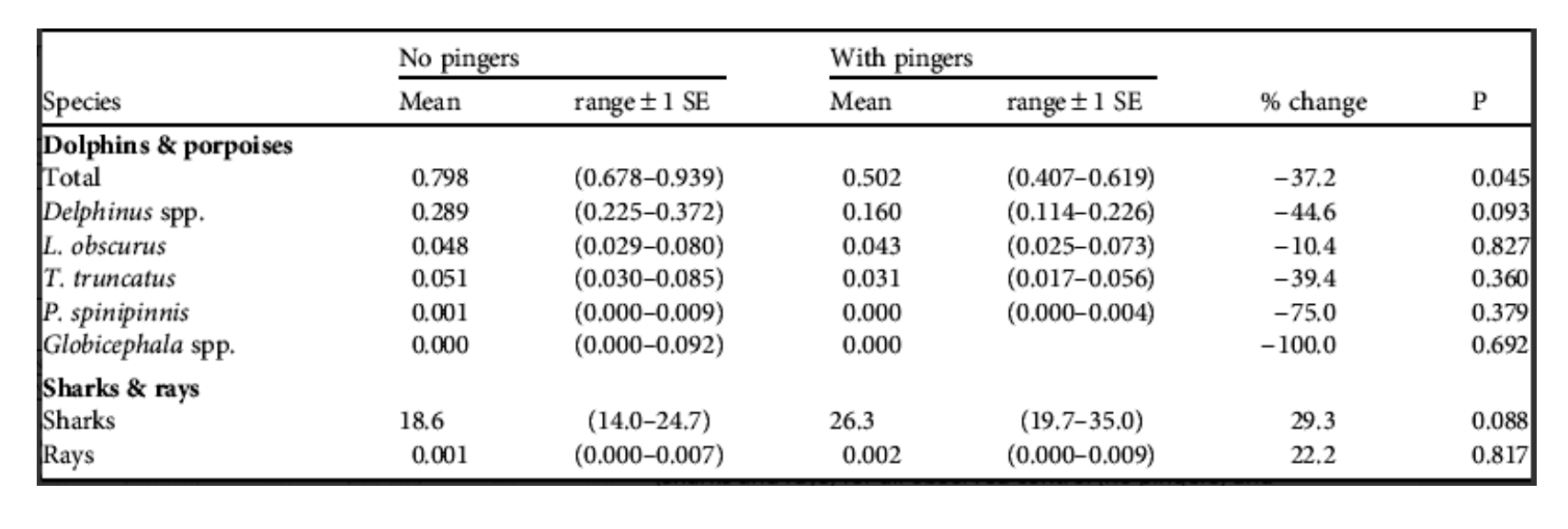
The Global Bycatch Case Studies report analyzes fisheries across multiple regions—including the Baltic Sea, California, and the Gulf of Mexico—to understand how different ecosystems, policies, and fishing practices influence bycatch rates and mitigation strategies. Through comparative analysis, the research identifies key technological, regulatory, and behavioral approaches used to reduce unintended marine wildlife capture. The report highlights how innovations such as acoustic deterrent devices, bycatch reduction technologies, and enforcement mechanisms have shaped conservation outcomes across these regions. By examining these global strategies through a structured analytical lens, the study provides insight into how effective mitigation approaches could be adapted to address the severe bycatch crisis affecting Peru’s artisanal fisheries.