Student Work
Here you can view a selection of student projects and campaigns that reflect my academic work and practical experience throughout my studies. These projects highlight my ability to combine research, strategic thinking, and creative problem-solving to address real-world challenges across areas such as marketing, sustainability, communication, and campaign development. Each piece represents an opportunity to apply classroom knowledge to meaningful, project-based work.
Together, these projects demonstrate my approach to developing thoughtful strategies, producing professional deliverables, and collaborating on initiatives that require both analytical insight and creative execution. They showcase my commitment to continuous learning and my ability to translate ideas into well-structured solutions that communicate clear objectives, informed strategy, and measurable impact.
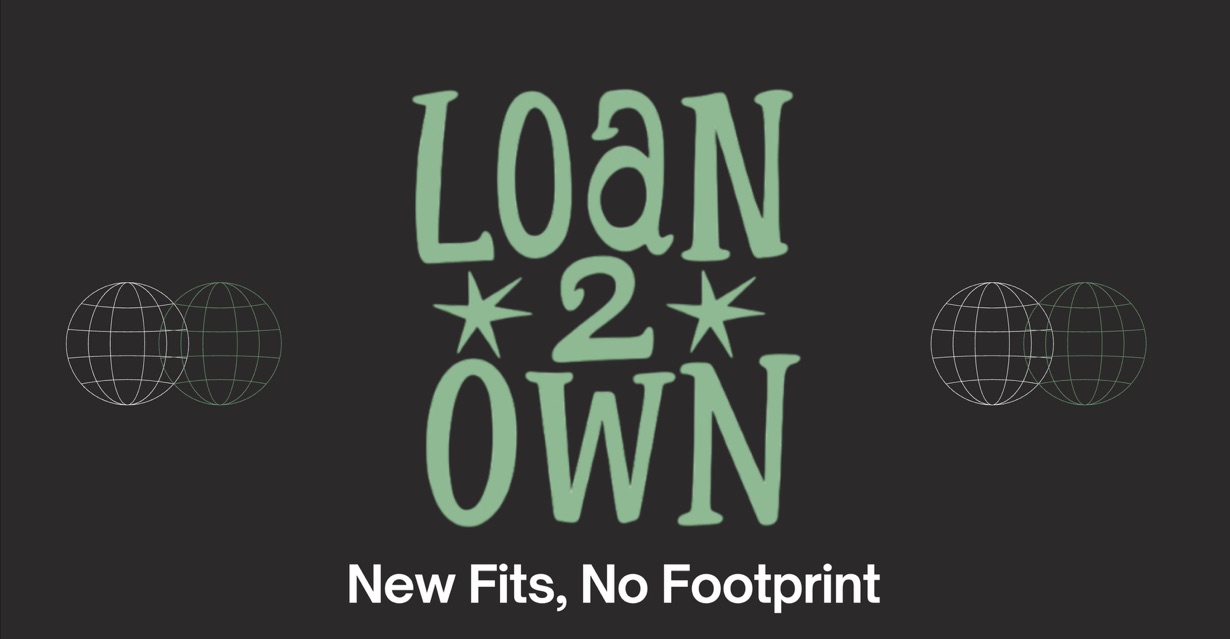
The Solution to Fast-Fashion is Loan2Own
Product Marketing Campaign. | Campaign Strategy Building. | Market Research & Implementation.
Loan2Own is a circular fashion platform concept designed to address the environmental impact of fast fashion while making quality clothing more affordable and accessible to consumers. The platform introduces a flexible credit-based system that allows users to rent clothing and gradually transition toward ownership over time. By extending the lifecycle of garments and encouraging repeated use, the model aims to reduce clothing waste and promote more sustainable consumption patterns within the fashion industry. This approach aligns environmental responsibility with consumer convenience, creating a solution that supports both sustainability goals and evolving customer expectations for flexibility and affordability.
The concept was developed as part of a semester-long collaborative project that focused on integrating sustainable innovation with practical marketing strategy and product development. The project required evaluating market demand, exploring consumer behavior related to clothing ownership and rental, and designing a scalable platform that could realistically operate within the modern fashion ecosystem. Through this process, the team combined research, strategic planning, and creative problem-solving to develop a concept that not only addressed environmental challenges but also presented a viable business opportunity within the growing circular economy.
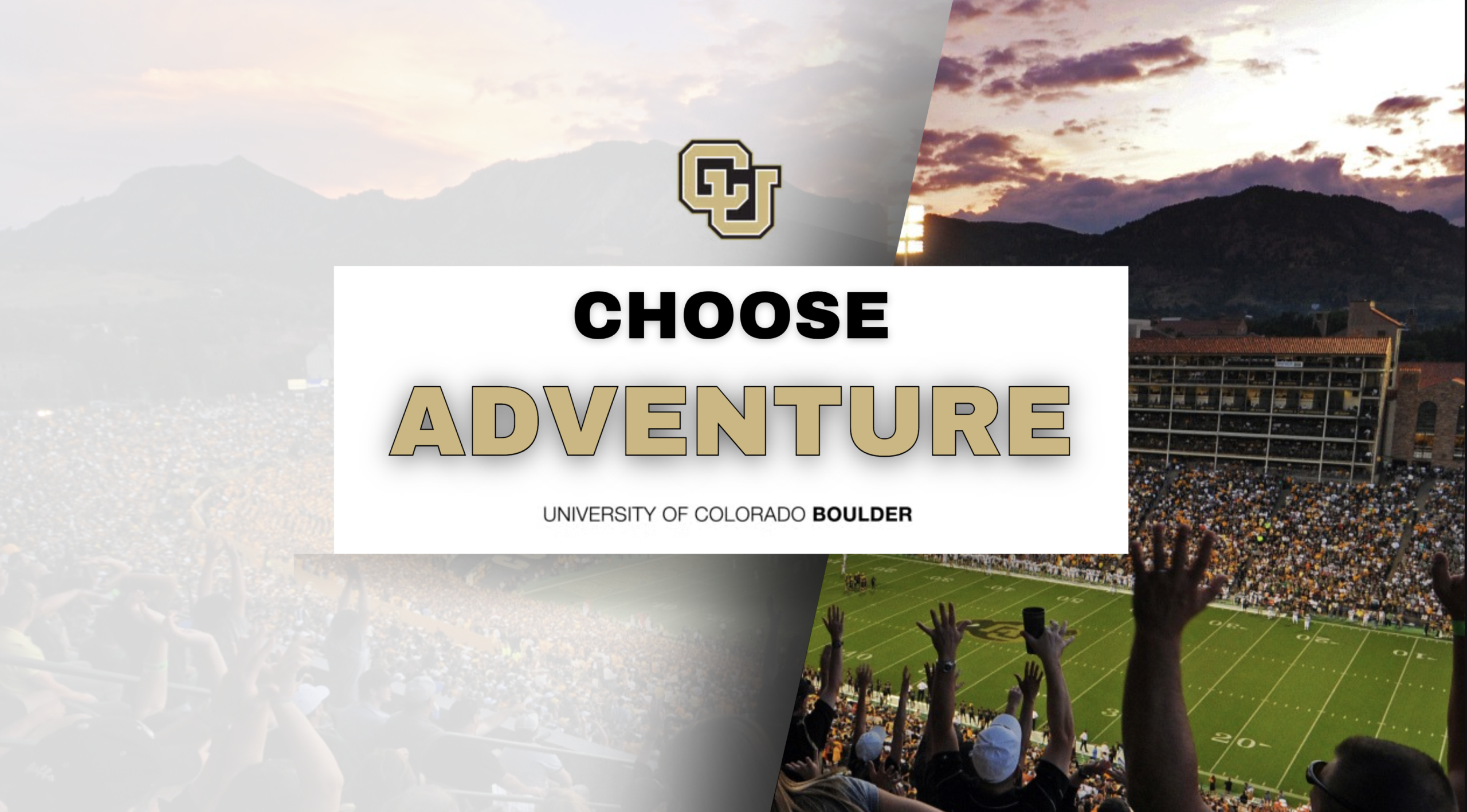
Enrolling at CU is Choosing Adventure
Persuasion Campaign. | Strategy Building. | Market Research & Implementation. | Content Creation.
This project focused on directing the development of a comprehensive marketing campaign designed to strengthen recruitment efforts for the University of Colorado Boulder. The campaign specifically targeted high school students from large urban environments who are seeking a university experience that offers a balance between strong academic opportunities, an engaging campus culture, and access to the natural environment. The strategic objective was to position CU Boulder as a destination where students can pursue academic excellence while also experiencing the lifestyle and personal growth that comes from living near the mountains and outdoor spaces that define Colorado.
Through a combination of market research, behavioral insights, and strategic communication frameworks, the campaign introduced a central narrative built around the concept of “Choosing Adventure.” This theme was designed to resonate with prospective students who value exploration, independence, and new experiences as part of their college journey. The project resulted in the development of several key deliverables, including strategic campaign proposals, professional presentations, video advertising concepts, and visual promotional materials designed for digital and social media platforms. Each component of the campaign was developed to create a cohesive message that highlighted CU Boulder’s unique environment while encouraging prospective students to imagine the university as a place where academic ambition and adventure can coexist.
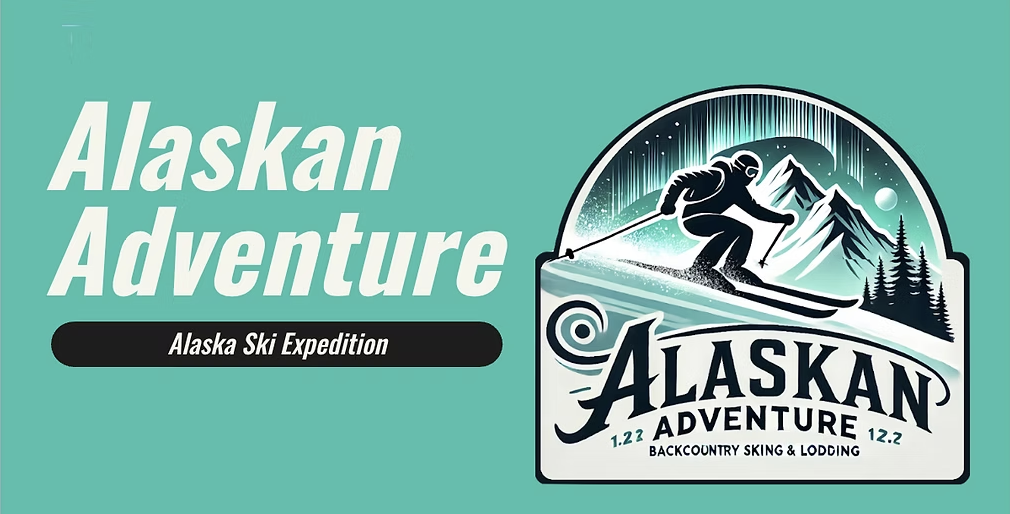
The Best Ski Expedition is Alaskan Adventure
Product Marketing Campaign. | Campaign Strategy Building. | Market Research & Implementation.
This project focused on directing the development of a comprehensive marketing campaign designed to strengthen recruitment efforts for the University of Colorado Boulder. The campaign was strategically aimed at high school students from large urban environments who are seeking a university experience that offers a balance between rigorous academics, an engaging campus culture, and meaningful access to the outdoors. The objective was to position CU Boulder as a distinctive destination where students can pursue academic achievement while also embracing the lifestyle, exploration, and personal growth that come from living in a region known for its natural landscapes and outdoor opportunities.
To accomplish this goal, the project involved analyzing prospective student motivations and identifying messaging that would resonate with individuals looking for both intellectual and experiential fulfillment during their college years. The campaign strategy emphasized CU Boulder’s ability to provide a dynamic student experience that blends educational excellence with opportunities for adventure, community involvement, and personal development. By highlighting these unique characteristics, the campaign aimed to communicate a compelling narrative that would attract students seeking more than a traditional university environment.
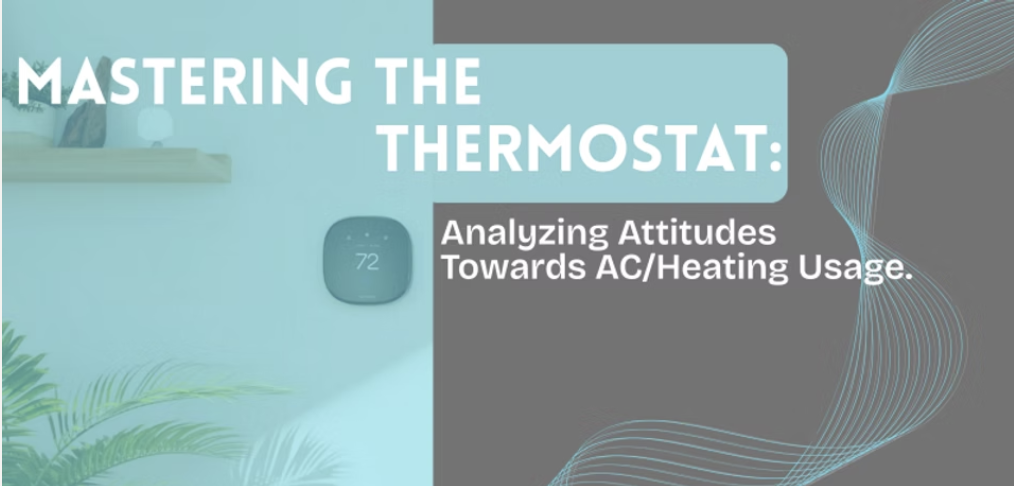
What it Takes to Master the Thermostat
Data Analysis. | Psychographic & Behavioral Analysis. | Experimentation & Testing.
Residential heating and cooling systems account for a significant portion of household energy consumption, particularly in regions that experience substantial seasonal temperature fluctuations. As the primary interface through which individuals regulate indoor climate conditions, thermostats play a critical role in determining how energy is used within the home. Small adjustments in thermostat settings can lead to meaningful differences in energy consumption, making household climate control an important area for both environmental awareness and energy efficiency. Understanding how individuals interact with this technology provides valuable insight into everyday energy behaviors and the broader patterns that influence residential energy demand.
The Mastering the Thermostat project examines how individuals make thermostat-related decisions and what psychological, social, and situational factors shape those behaviors. Through the application of behavioral research methods and the analysis of survey responses, the study investigates how variables such as environmental awareness, financial considerations, comfort preferences, and social expectations influence energy-related decision-making. By identifying the motivations and trade-offs that guide these everyday choices, the project aims to better understand how behavioral insights can inform more effective strategies for encouraging energy-efficient practices in residential environments.
Conservation Made to Last
Strategy Building. | Market Research & Implementation. | Data Analysis. | Innovative Problem-Solving.
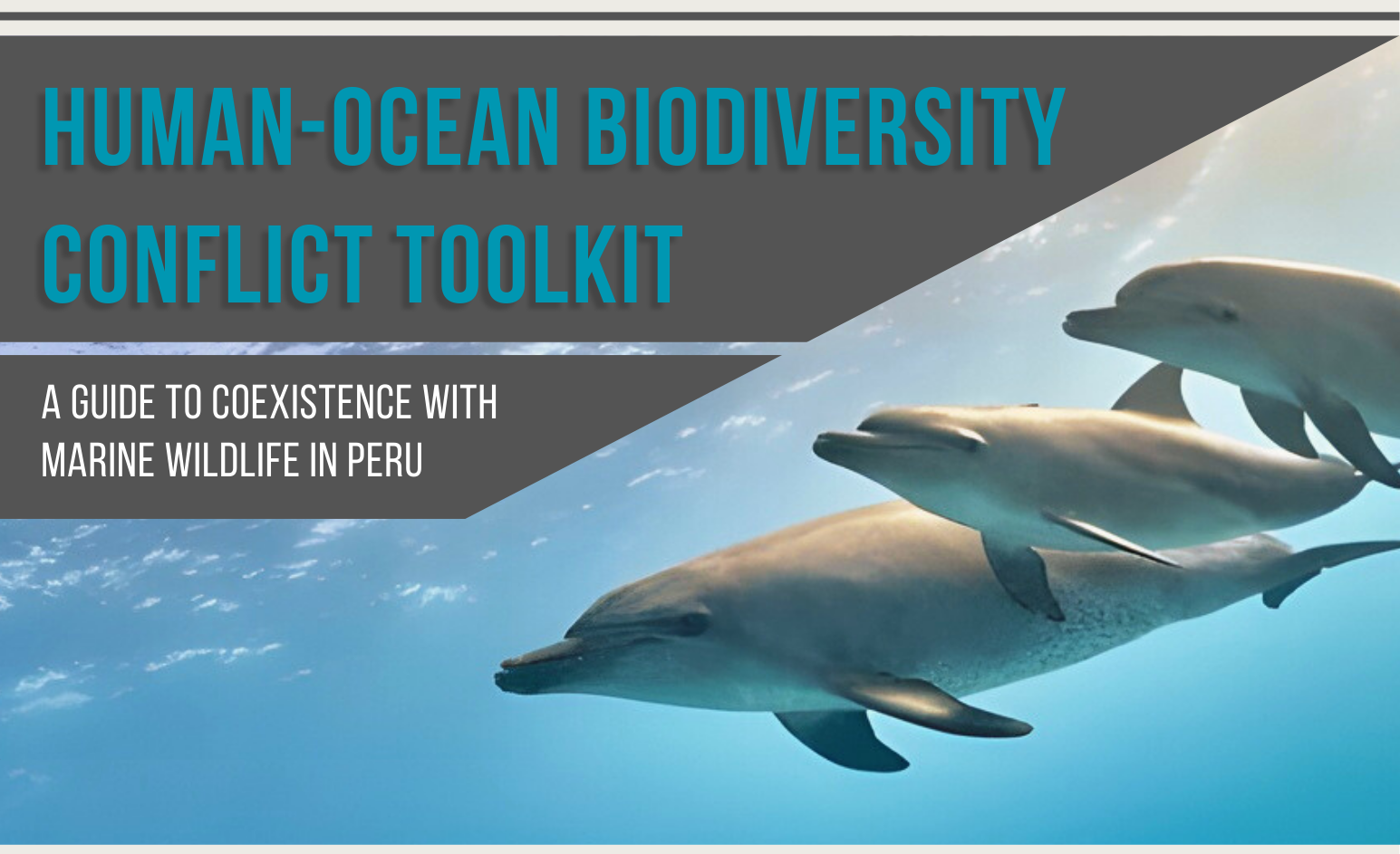
Bycatch—the unintended capture of non-target marine wildlife during fishing operations—represents one of the most pressing threats to global marine biodiversity. Species such as dolphins, sea turtles, seabirds, and sharks are frequently caught in fishing gear intended for commercial species, leading to significant ecological consequences and population declines. In Peru, artisanal fisheries play an essential role in the national economy and serve as a critical source of food security for coastal communities. However, the widespread use of certain fishing practices and gear types within these small-scale fisheries also contributes substantially to the global bycatch crisis. This creates a complex challenge in which conservation goals must be carefully balanced with the livelihoods and cultural traditions of local fishing communities.
This semester-long research initiative was designed to investigate the ecological, economic, and policy dynamics that shape bycatch issues within Peru’s fisheries. The project examined a range of international case studies, fisheries governance structures, and technological mitigation strategies to better understand how bycatch can be reduced without undermining the viability of local fishing operations. Drawing on interdisciplinary research and policy analysis, the project ultimately produced a comprehensive toolkit intended to support more sustainable fisheries management. The toolkit integrates scientific insight, policy recommendations, and practical mitigation approaches aimed at protecting marine ecosystems while acknowledging the economic realities and social context of the communities that depend on these fisheries.